
Radon Education & Resources for Winnipeg Homeowners
Radon is a naturally occurring gas that can build up inside homes and increase the risk of lung cancer over long-term exposure. The only way to know your level is to test, since radon cannot be seen or smelled. Below you’ll find practical, locally relevant articles to help Winnipeg homeowners understand radon, testing, mitigation, and what to do next.
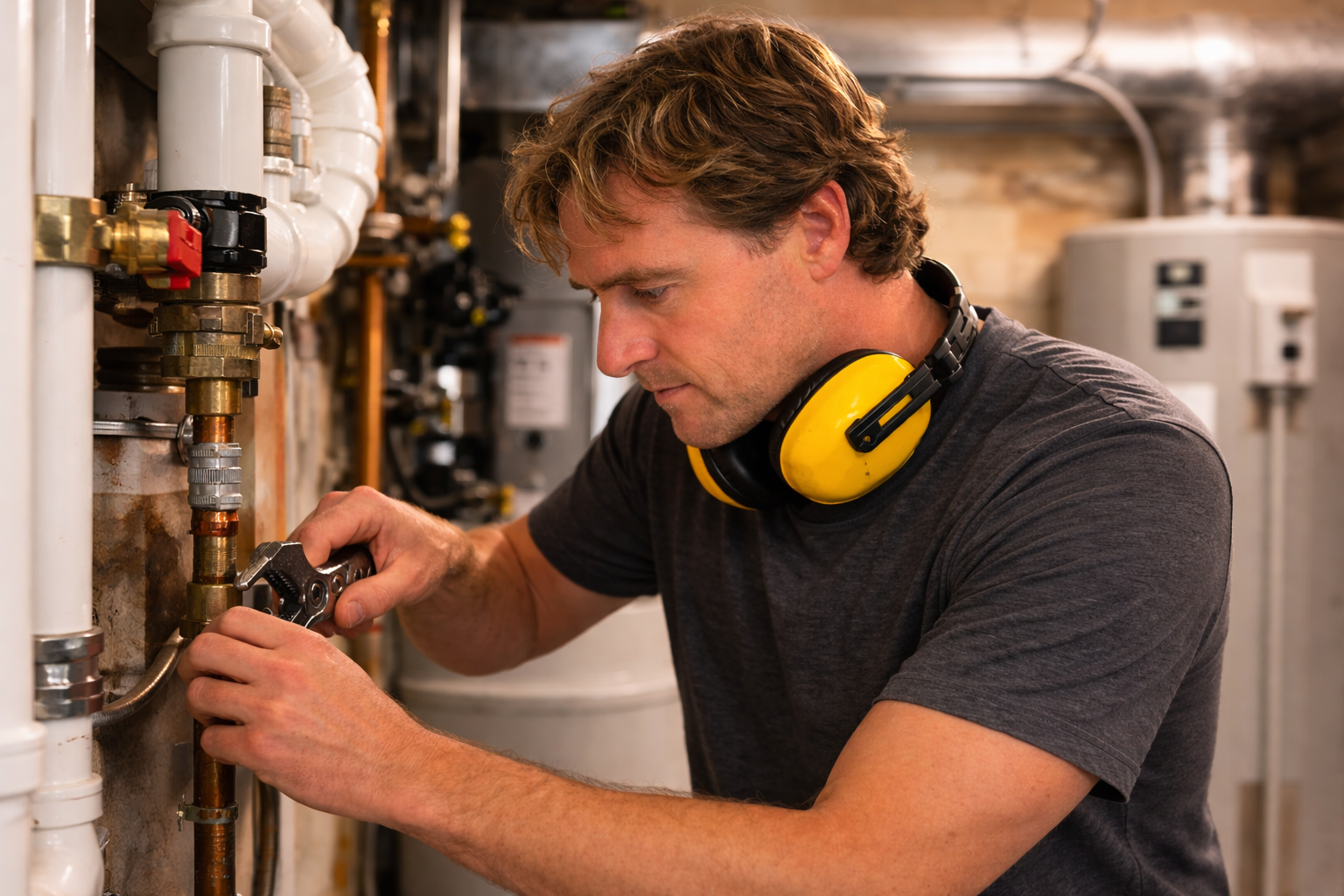
What the Manitoba Lung Association's New Annual Report Means for Manitoba Homeowners
The Manitoba Lung Association's latest annual report highlights growing radon awareness across the province. Here's what the findings mean for Manitoba homeowners.
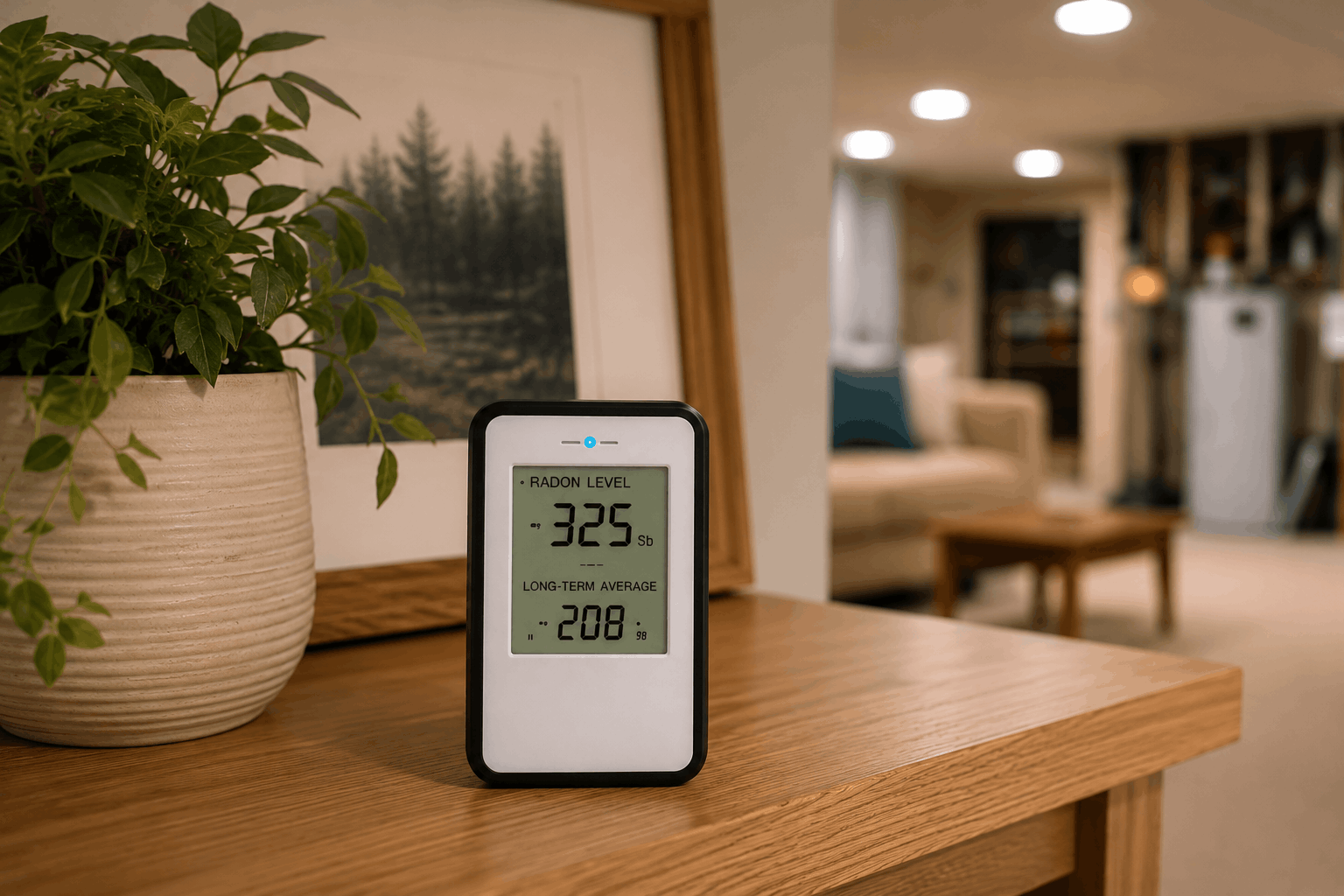
Health Canada Study: Summer Radon Tests May Read Low, But They’re Still Worth Doing
Early results from Health Canada's new seasonal radon study (Sept 2023 to May 2026) found summer tests tend to underestimate annual radon levels by up to 14% in the Prairies. If you tested your Winnipeg home in summer, here's what it means and whether you should retest.
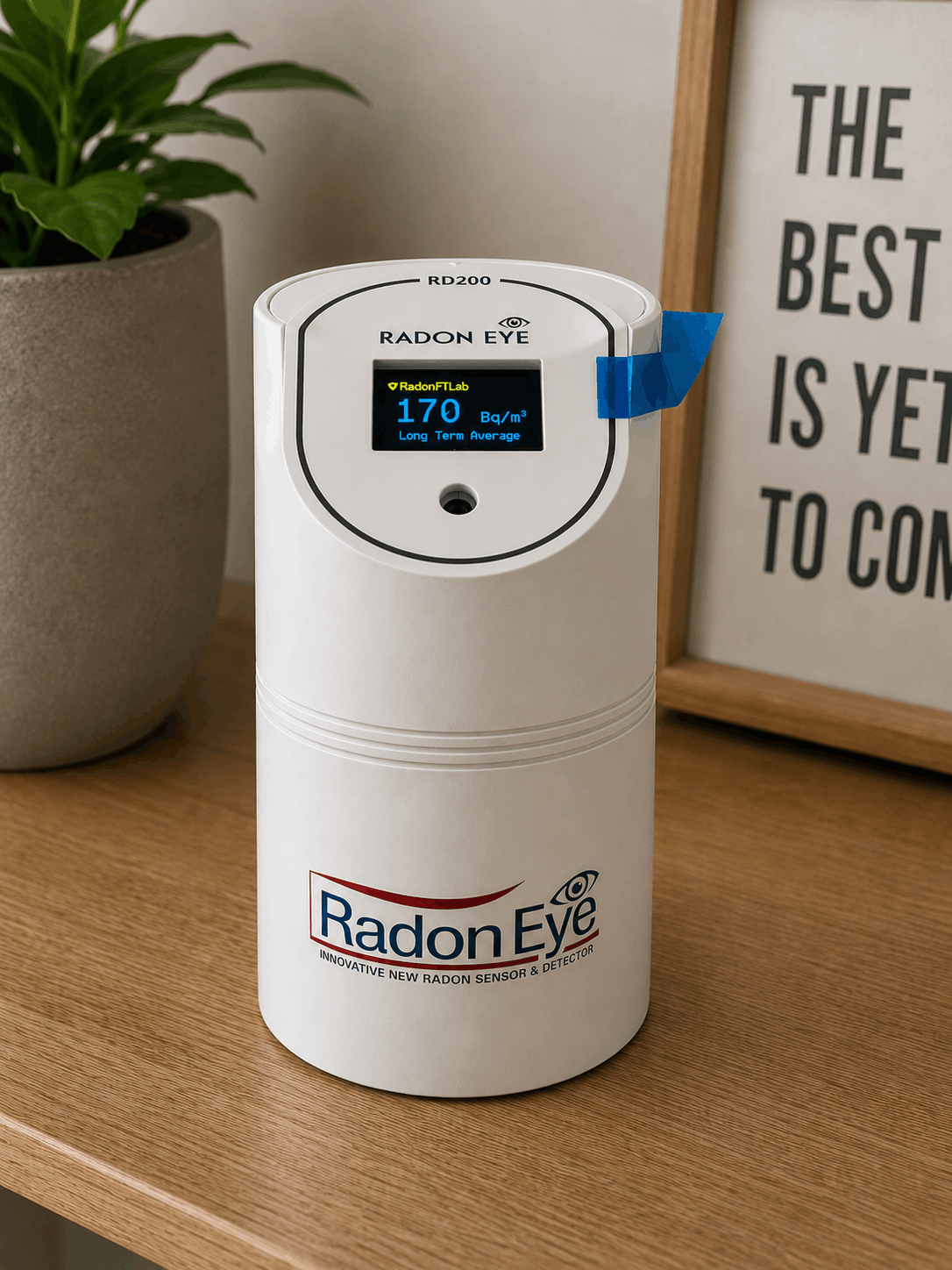
Canada’s Radon Guideline Is Higher Than the WHO’s. What Homeowners Should Know.
Canada’s radon guideline is 200 Bq/m³, while the World Health Organization recommends 100 Bq/m³. Here’s what that difference means for homeowners, and why testing is the only way to know your home’s level.
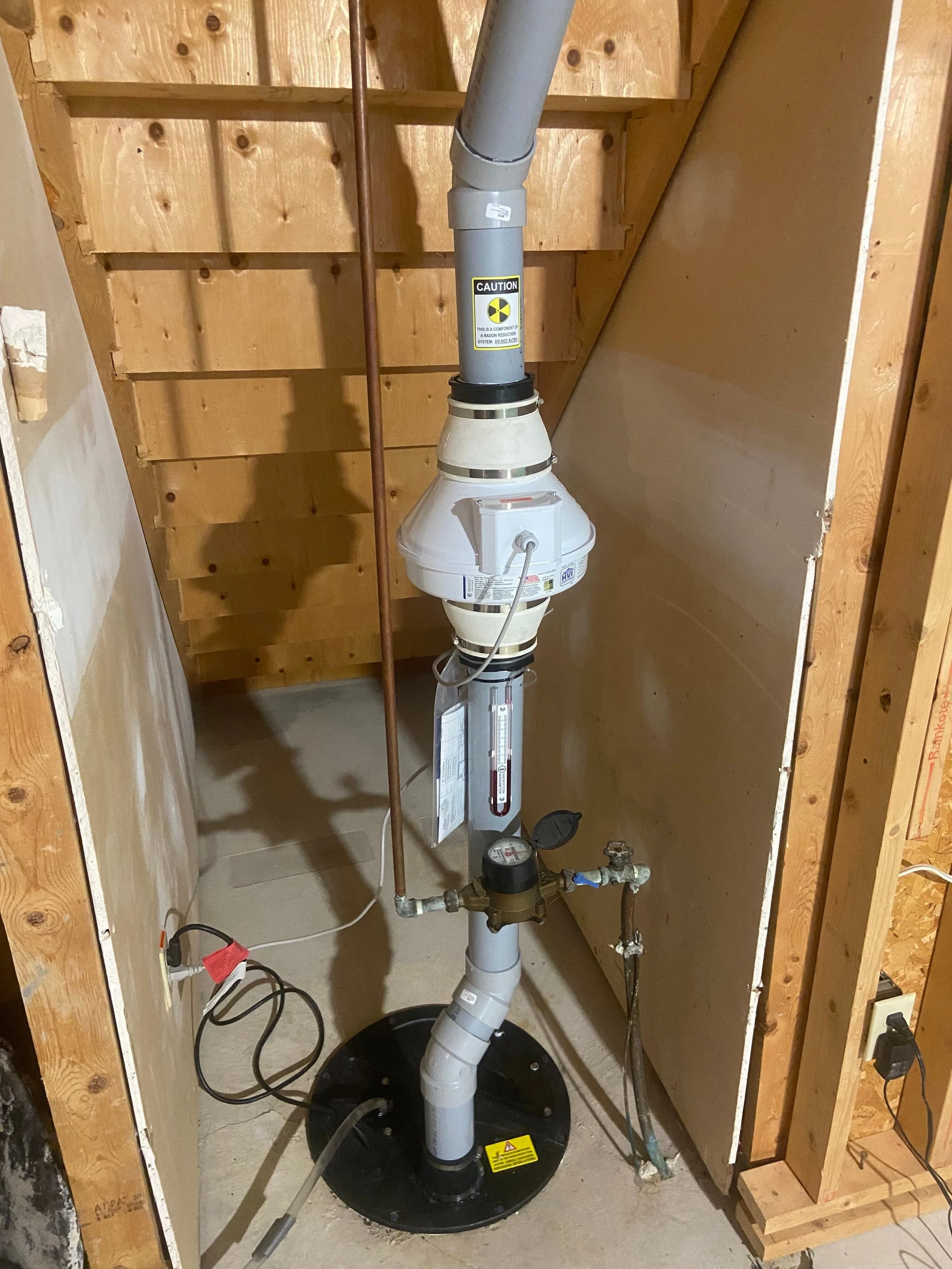
Radon and Basement Renovations in Winnipeg: What Homeowners Should Consider
If you’re renovating your basement, radon is something worth thinking about before the drywall goes up. About 1 in 4 homes in Manitoba test above Health Canada’s recommended guideline, and finding elevated levels after a renovation is complete can make mitigation more difficult later.
Winnipeg Library Radon Test Kits: Wait Times and What to Do While You Wait
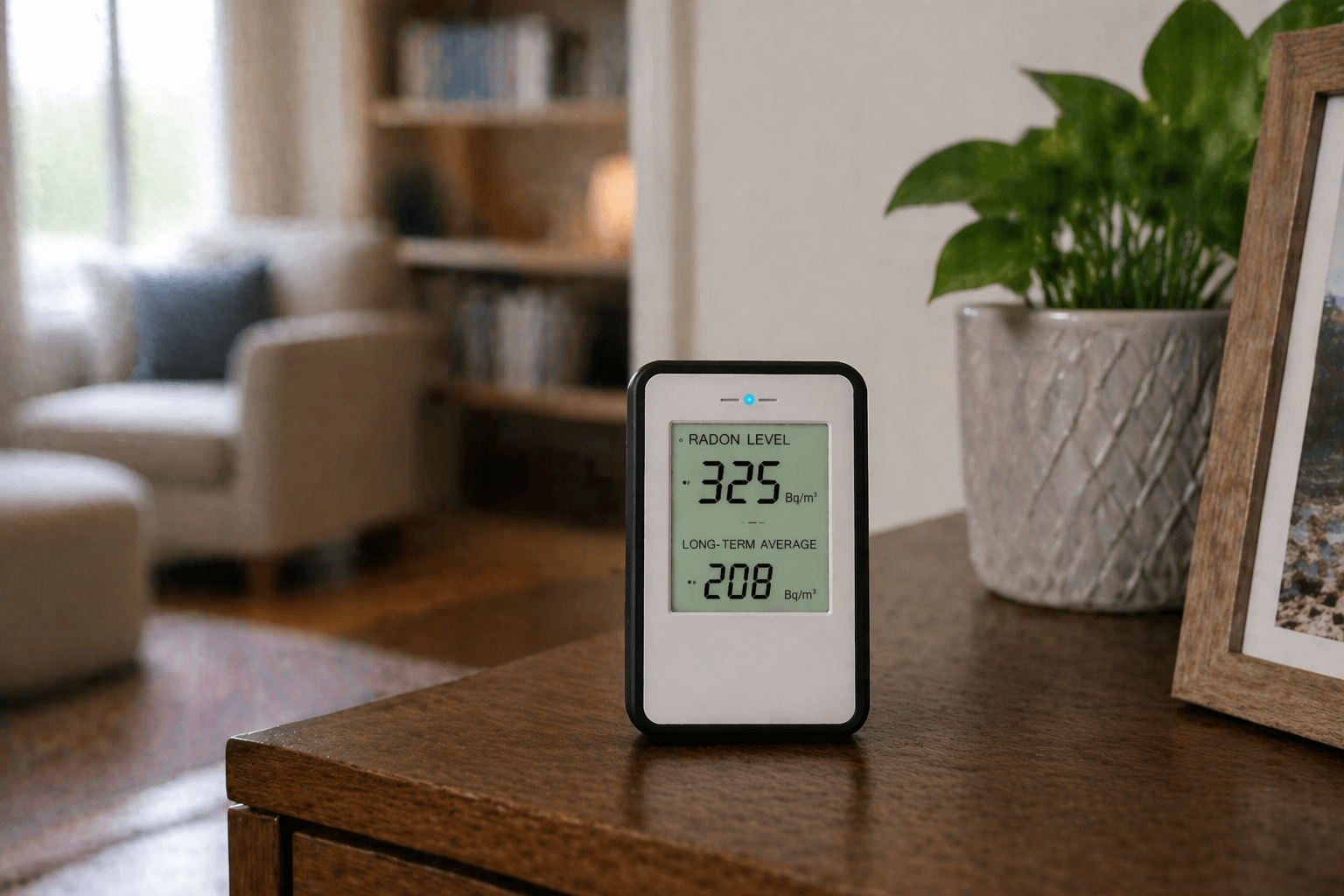
Winnipeg library radon test kits often have long waitlists and the program pauses on April 30 until the fall. Here’s how the program works and what you can do to understand your home’s radon levels in the meantime.
Spring Radon Myths: What Winnipeg Homeowners Often Get Wrong
Spring can make radon feel like less of a concern as windows open and fresh air moves through your home. But the risk doesn’t disappear. Opening windows may lower levels temporarily, but it doesn’t fix the source. Here are four common myths Winnipeg homeowners should know.
Radon Featured on CBC. What Winnipeg Homeowners Should Know
Radon was recently featured in a national CBC News segment, raising new questions about radon exposure and Canada’s current guidelines. Radon is an invisible gas that can enter homes from the soil and is the leading cause of lung cancer in non-smokers. Here’s what Winnipeg homeowners should know about radon, testing, and how to reduce levels in their homes.
What to Do If Your Radon Levels Are High
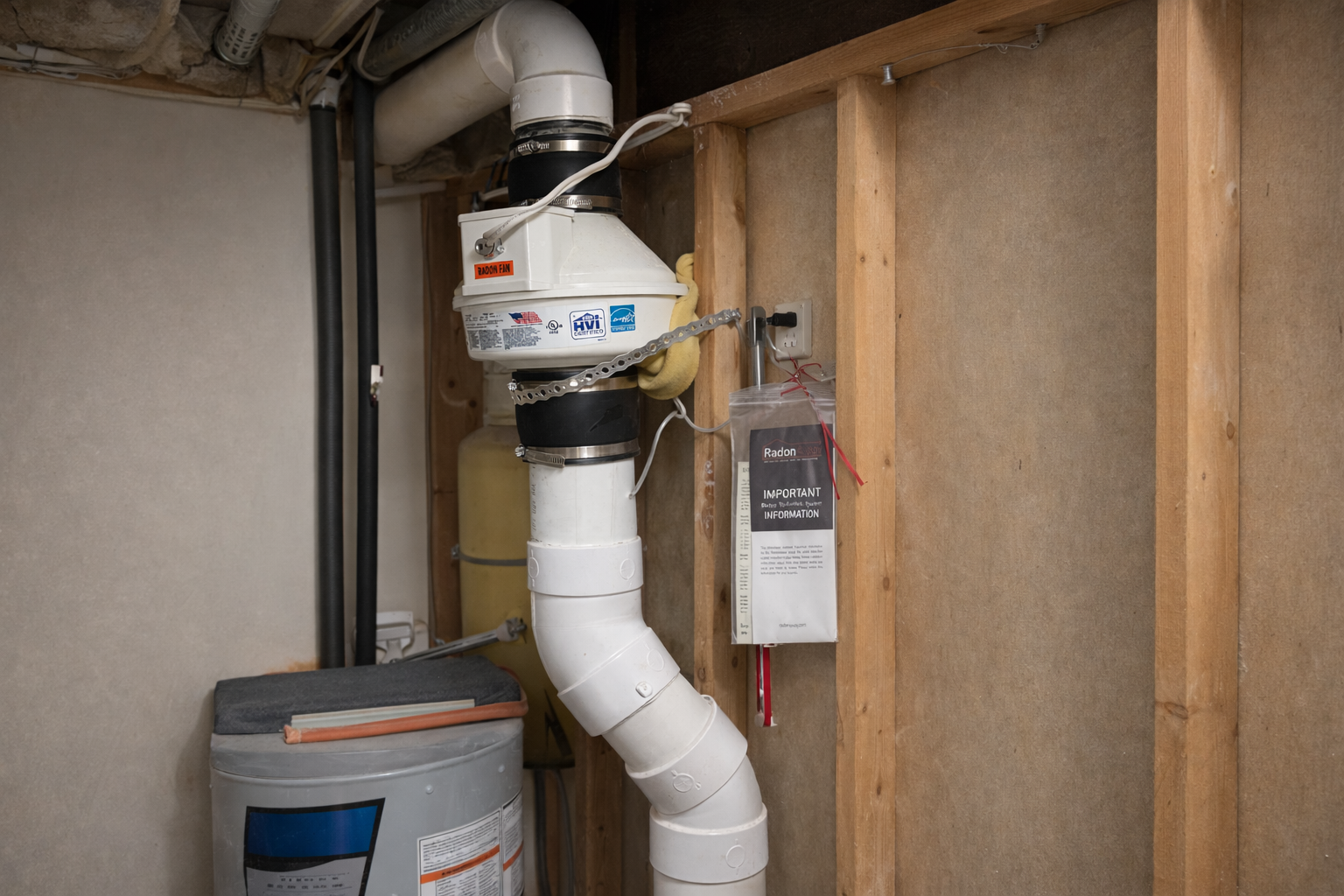
If your radon test results are high, what happens next? Learn what Health Canada recommends, how radon mitigation works, and what to expect after installation.
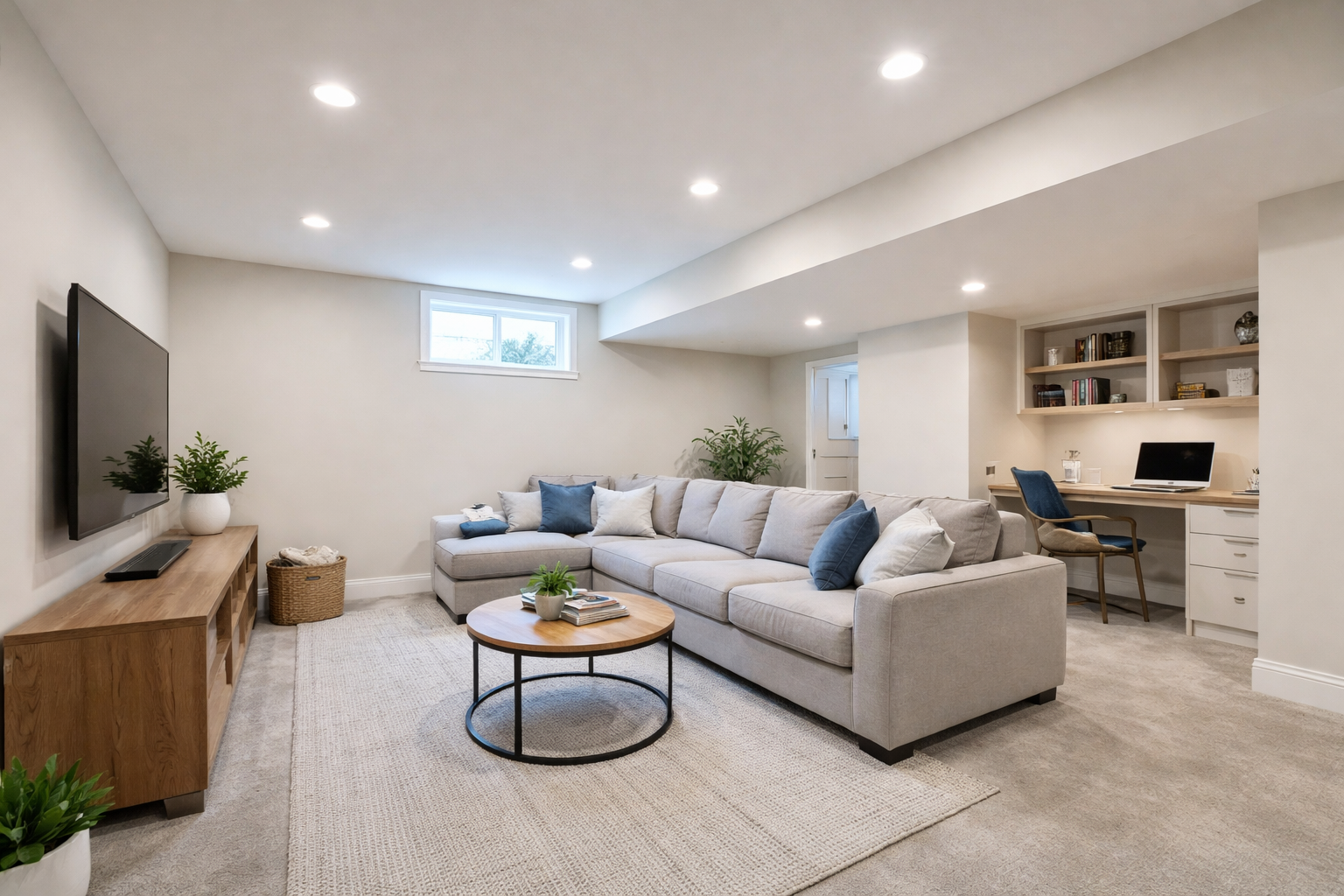
Why Basements Matter When Testing for Radon
Why are radon levels often higher in basements? This article explains how radon enters homes, how airflow affects indoor levels, and what Canadian guidelines say homeowners should understand.
What is Radon and Why is it in the News?
If you’ve only recently heard about radon, you’re not alone. This article breaks down what radon is, why it’s being talked about nationally, and how that conversation applies to homes in Manitoba and Winnipeg.
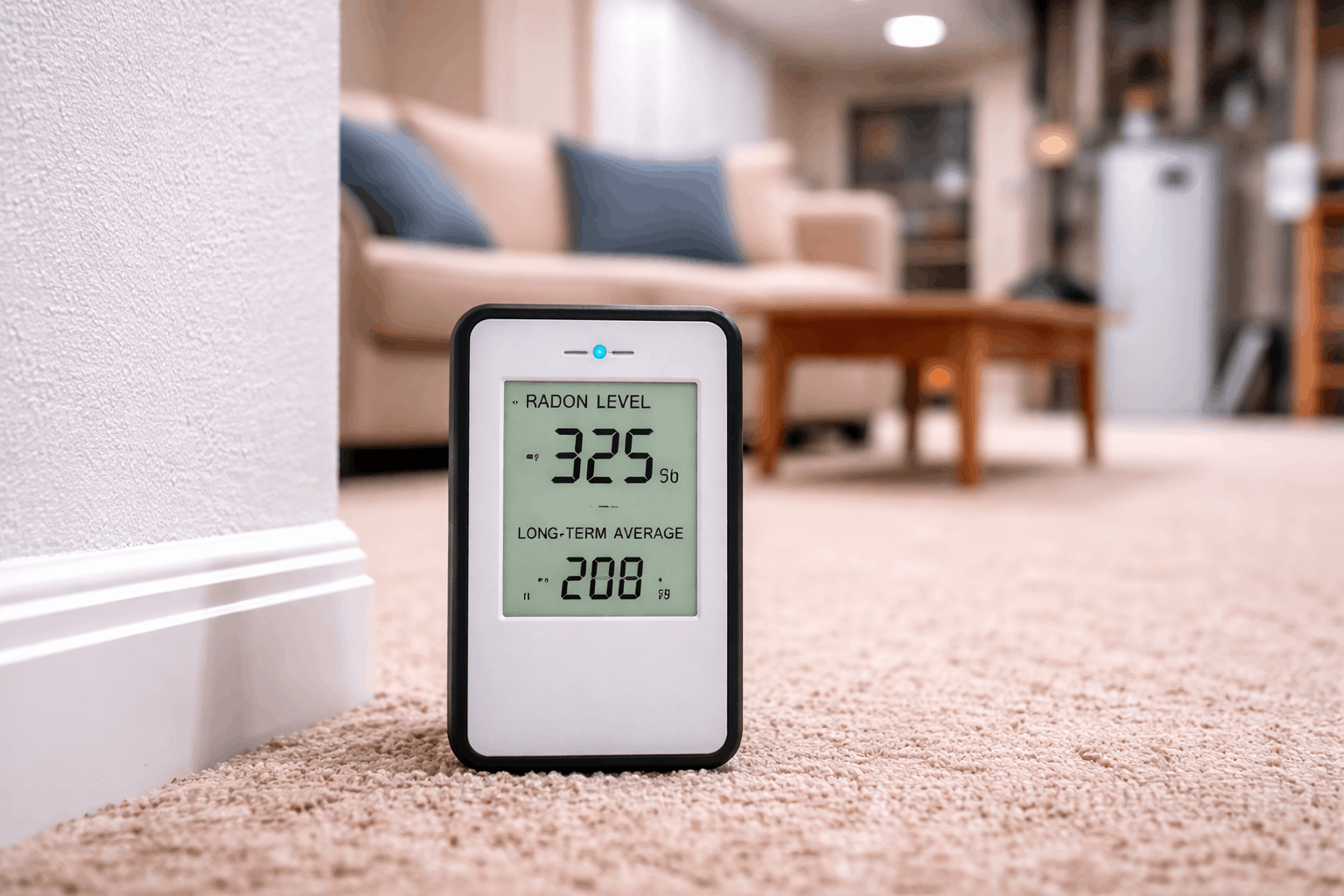
Heard About Radon on CBC’s The Current? What Winnipeg Homeowners Should Do Next
Radon was discussed on CBC’s The Current with Matt Galloway this week. Here’s what Winnipeg homeowners should know, what wasn’t fully explained on air, and how to decide whether radon testing makes sense for your home.
The Winnipeg Winter Problem No One is Talking About: Radon Gas
When Olympic-level athlete and non-smoker Rachael Malmberg was diagnosed with lung cancer, she traced the risk back to radon in her home. Her story highlights a hidden danger many Winnipeg homeowners face, especially in winter, when radon levels peak inside sealed homes.
Radon Awareness Month in Winnipeg: What Homeowners Need to Know in 2025
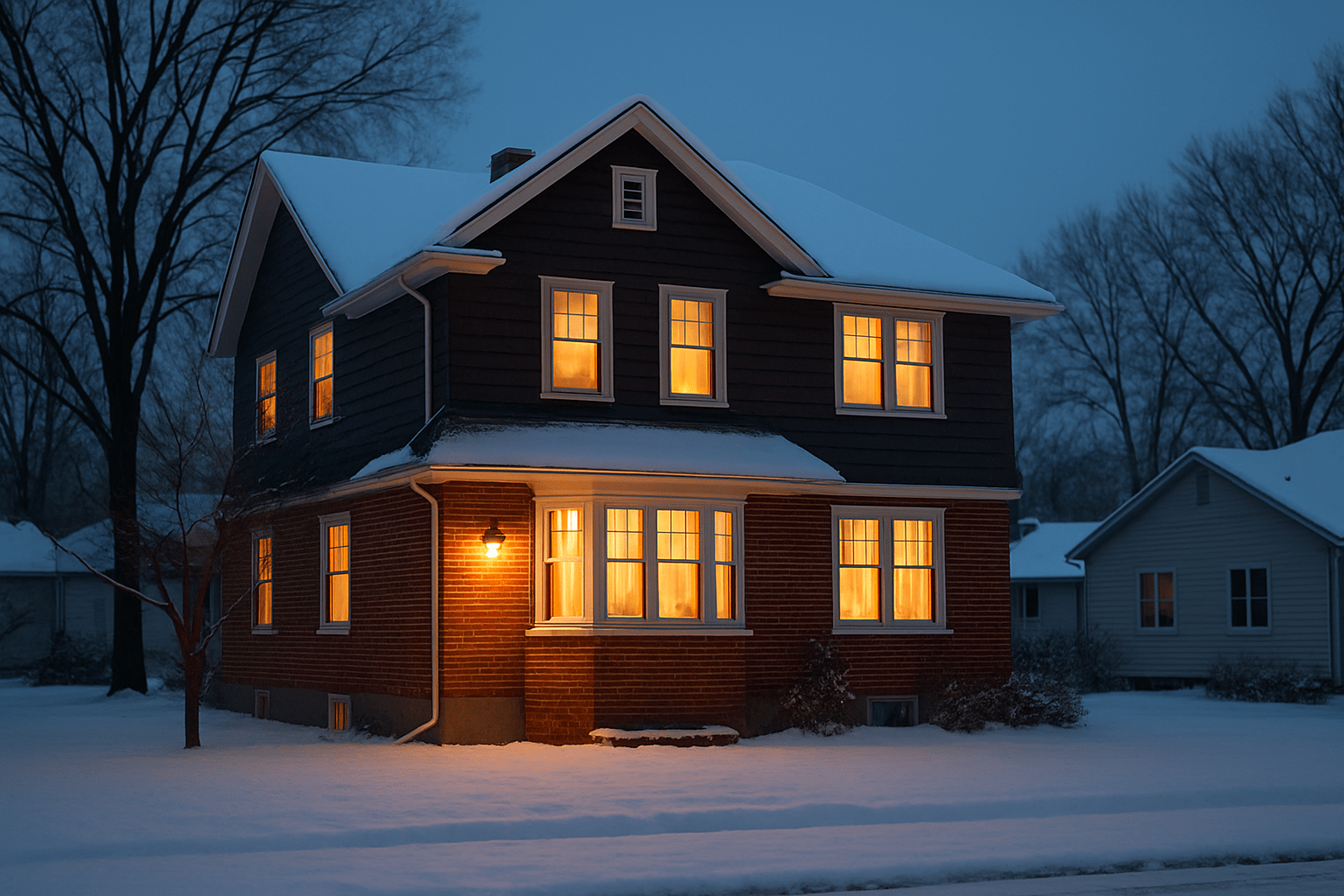
Every November, Winnipeg recognizes Radon Awareness Month, a reminder that Manitoba has some of the highest radon levels in Canada and that long-term exposure is the #1 cause of lung cancer in non-smokers. Learn why winter increases radon levels, how free screening kits work, and your options for testing and mitigation.

What Are Safe Radon Levels in Canadian Homes? (Winnipeg Guide)
In Winnipeg and across Canada, the radon action level is 200 Bq/m³. Below this is considered safe. Between 200 and 600 Bq/m³, homeowners should seriously consider mitigating to prevent long-term health risks. Above 600 Bq/m³, immediate action is required to reduce exposure.

How Much Does Radon Testing and Mitigation Cost?
Learn about DIY radon test kits ($40–$150), free short-term radon testing by Radon86, and mitigation system installations ($1,800–$3,000).
Why is Radon Gas Dangerous?
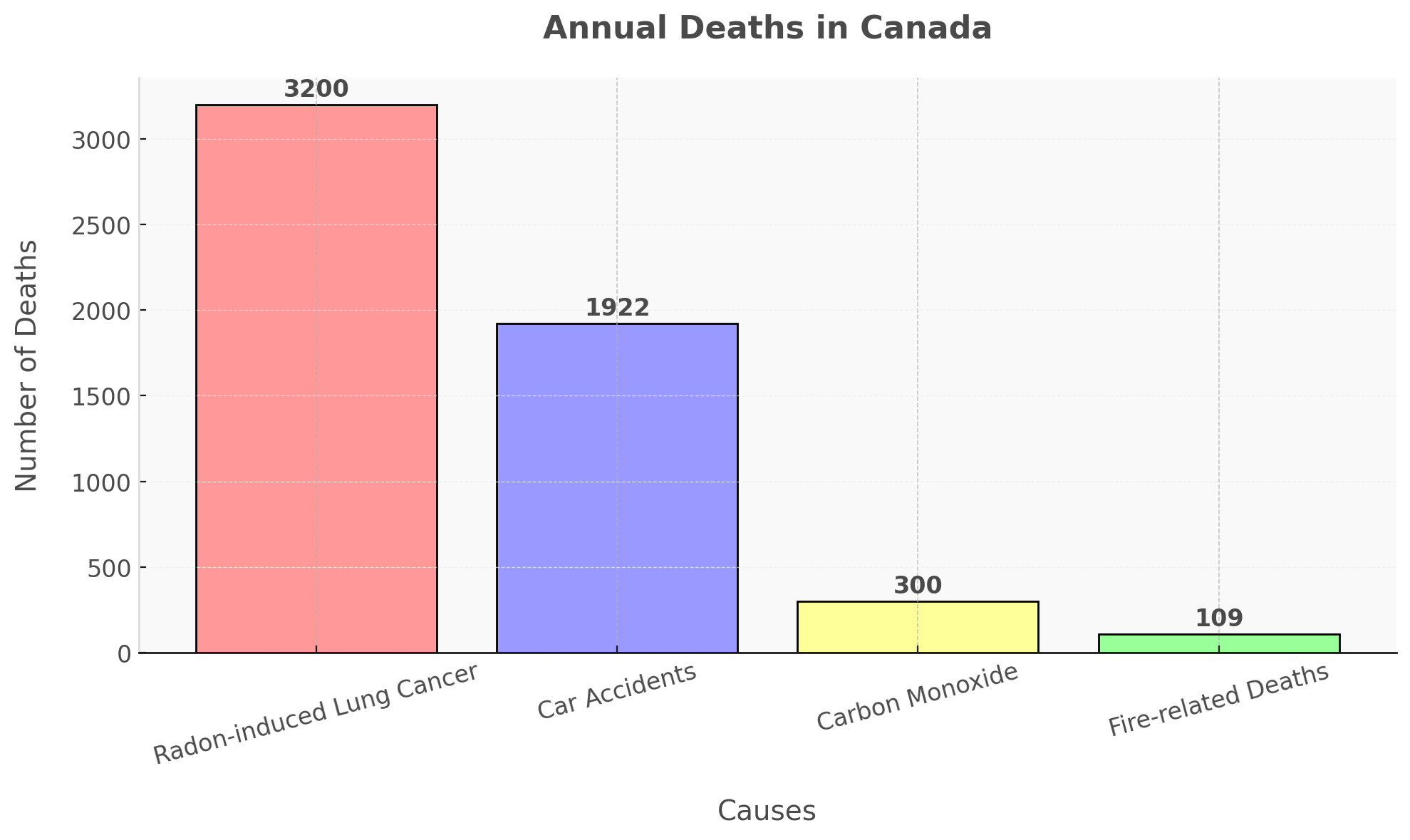
Radon gas can enter homes through cracks in floors, walls, or foundations, and collects indoors. When you breathe in radon, it gets into the lining of your lungs and gives off radiation. Over a long time, that can damage the cells there and lead to lung cancer.

Testing for Radon Gas: A Guide for Homeowners
Learn why radon testing is essential and how to get started.

Do I Need To Radon Test in Winnipeg?
You may be asking yourself: what is radon, and do I really need to test my Winnipeg home for it?