
Radon Mitigation in Winnipeg
In Winnipeg, radon levels above 200 Bq/m³ require action under Health Canada guidelines. In Manitoba, 1 in 4 homes test above this level. Radon mitigation systems can start at $1,800, often be installed in one day, and typically begin lowering radon levels within 24 hours.
If you already have radon test results above the Health Canada guideline, we can design a mitigation system to best suit your home and budget.
Request a free quote or call us at 204-807-1340
What is Radon Mitigation
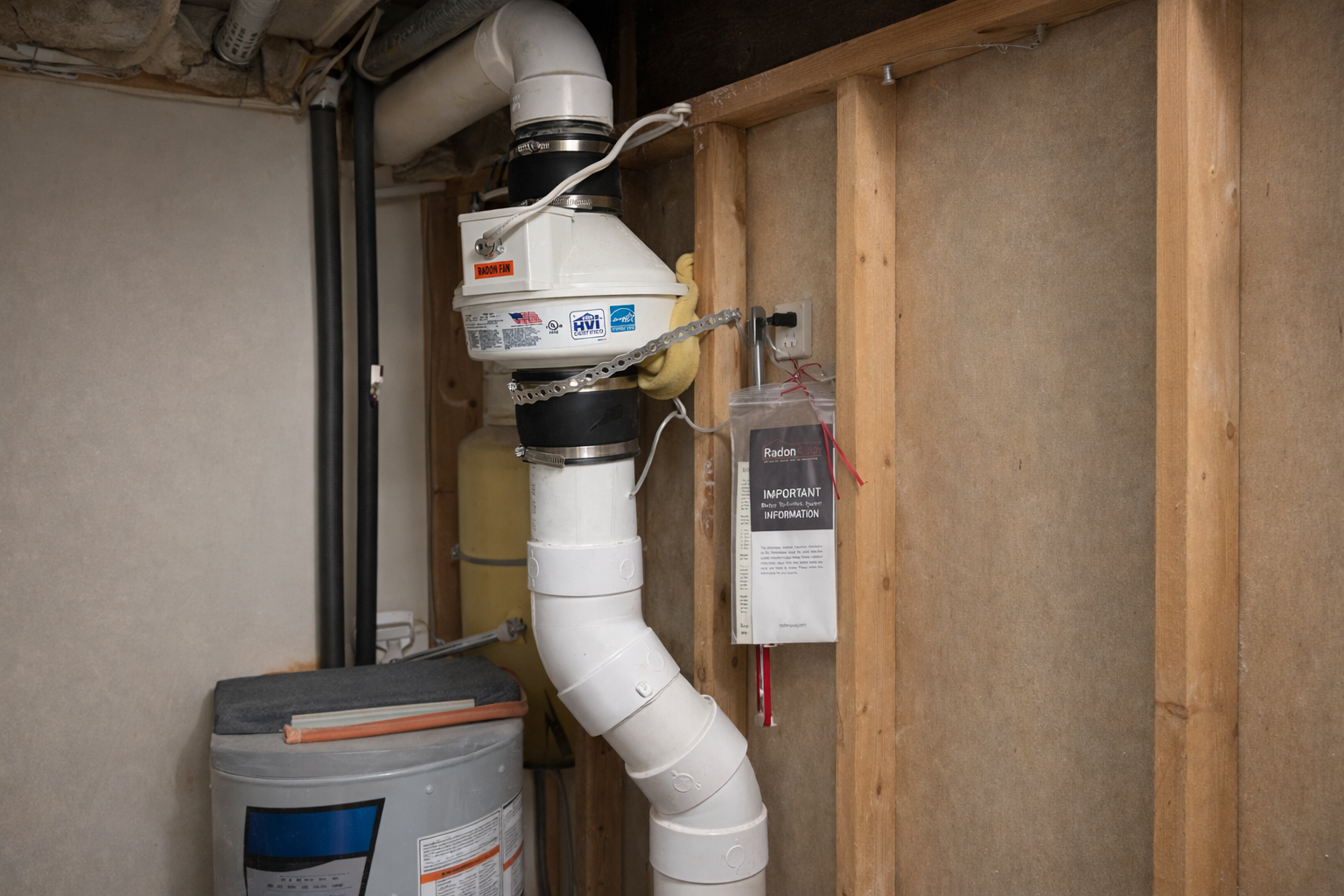
Radon mitigation, sometimes called radon remediation, is a system designed to lower radon levels inside your home.
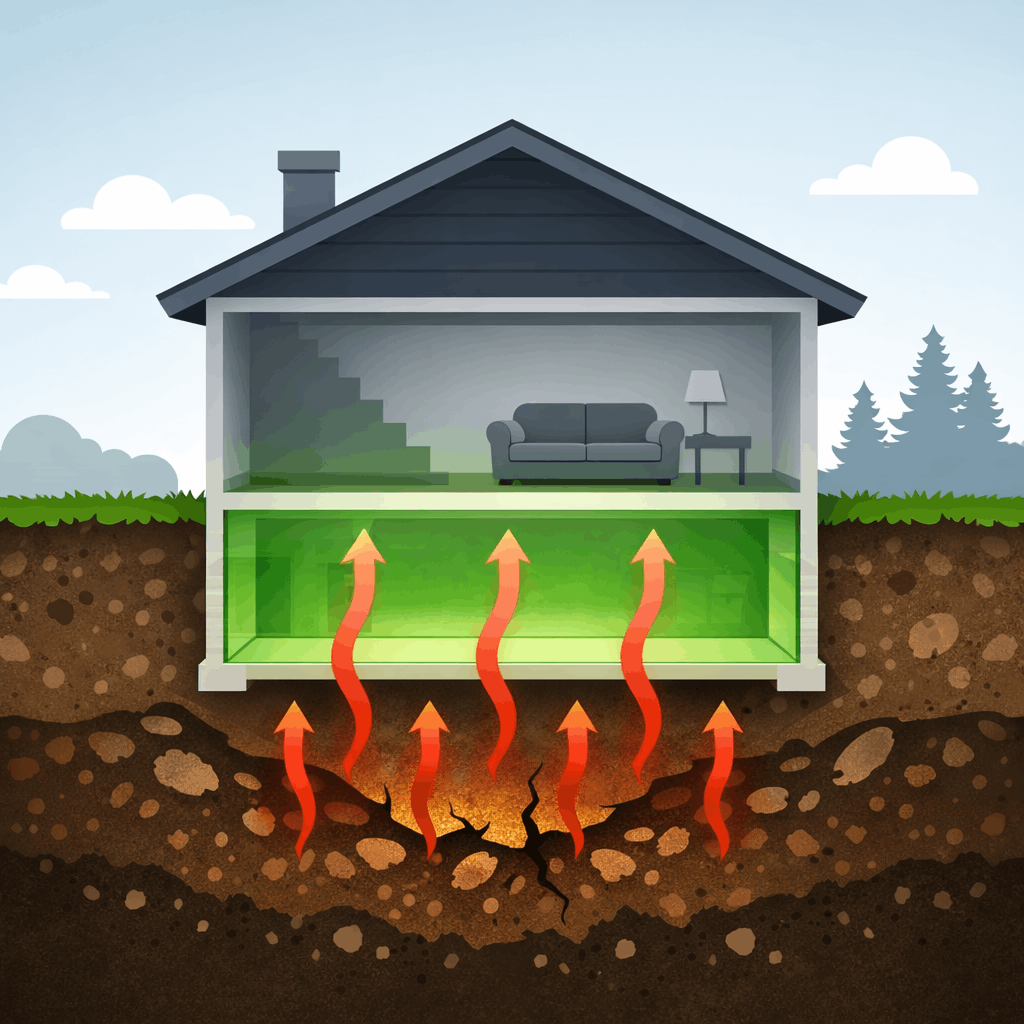
In Winnipeg homes, radon enters through soil gas intrusion. As uranium in Manitoba’s soil and rock breaks down naturally, radon gas forms underground. Pressure differences between the soil and the home can draw that gas through cracks and small openings in the foundation, where it can build up in basements and lower levels.
Because basements are in direct contact with the ground, they are the most vulnerable area for radon accumulation. Long-term exposure to elevated radon increases the risk of lung cancer, which is why reducing levels below the national guideline is important.
In most cases, radon removal in Winnipeg is done using active sub-slab depressurization. A sealed pipe is installed through the basement floor, and a fan draws radon from beneath the foundation and vents it safely outside. The system runs continuously to support ongoing radon reduction in Winnipeg homes.
How a Mitigation System Works
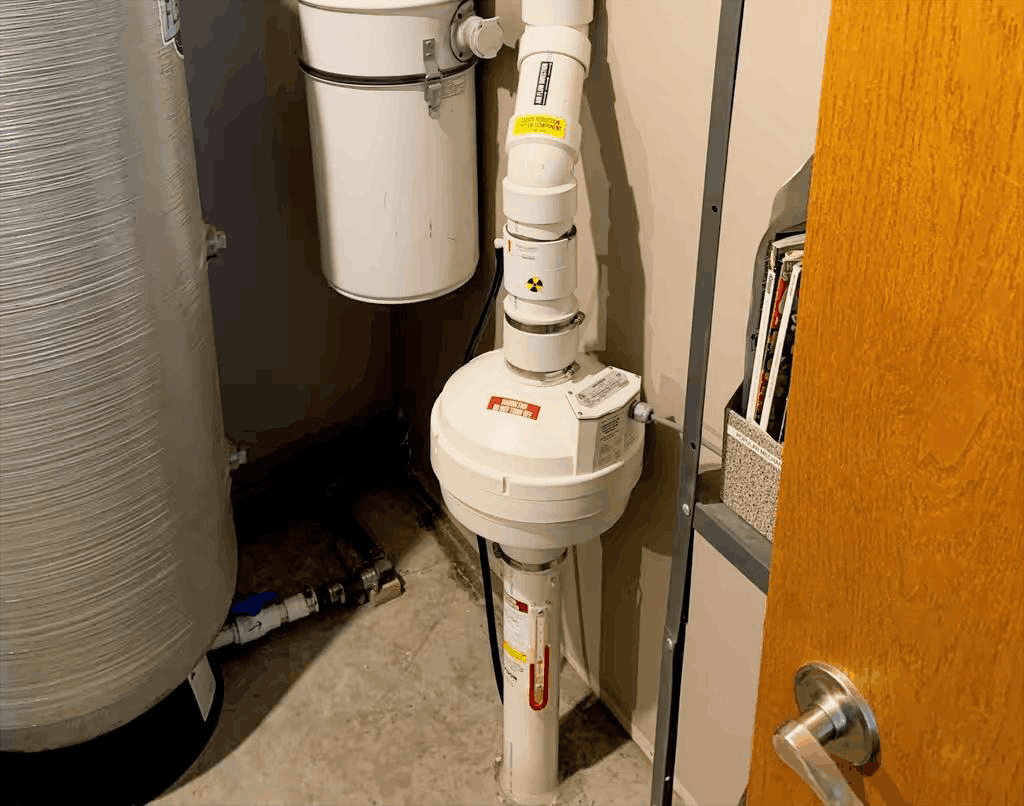
Most radon mitigation systems in Winnipeg use a method called sub-slab depressurization.
A small opening is drilled in the basement floor, and sealed PVC piping is installed beneath the foundation.
A quiet fan system creates suction, drawing radon from below the home before it enters the living space.
Radon is vented safely outside through an exterior pipe.
Visible cracks or common entry points may be sealed to improve performance.
A short-term test is included after installation to confirm the system is working.
How Much Does Radon Mitigation Cost in Winnipeg?
In many Winnipeg homes, radon mitigation systems start at $1,500 and commonly range between $1,800 and $2,800, depending on the home’s layout and foundation type.
Costs can vary depending on the layout and construction of the home. Factors that affect pricing include:
Foundation type (basement slab, crawl space, or existing rough-in pipe)
Home size and interior layout
Finished vs. unfinished basement access
Vent pipe routing and exterior placement
Electrical access for the quiet fan system
Every home is different, which is why we provide a clear quote before installation. In most cases, systems can be installed in one day and begin lowering radon levels within 24 hours.
Why Winnipeg Homeowners Choose Radon86
-
+20 Years Construction Experience
Before specializing in radon mitigation, we spent over 20 years working in home construction, renovation and plumbing. That experience helps design mitigation systems that work with the structure of your home.
-

Clear, Transparent Pricing
Most mitigation systems range between $1,800 and $2,800 depending on the home layout. We review the system design and price with you before installation so you know exactly what to expect..
-
Tailored Systems for Every Home
No two houses are the same. We assess the foundation, basement layout, floor drain, sump pits, and radon levels to design a system that performs effectively for the long term.
-

Quiet, Low-Maintenance Operation
Radon mitigation systems run continuously. Our installations are designed to be discreet and quiet with minimal impact on everyday living.
Serving All Winnipeg Neighbourhoods
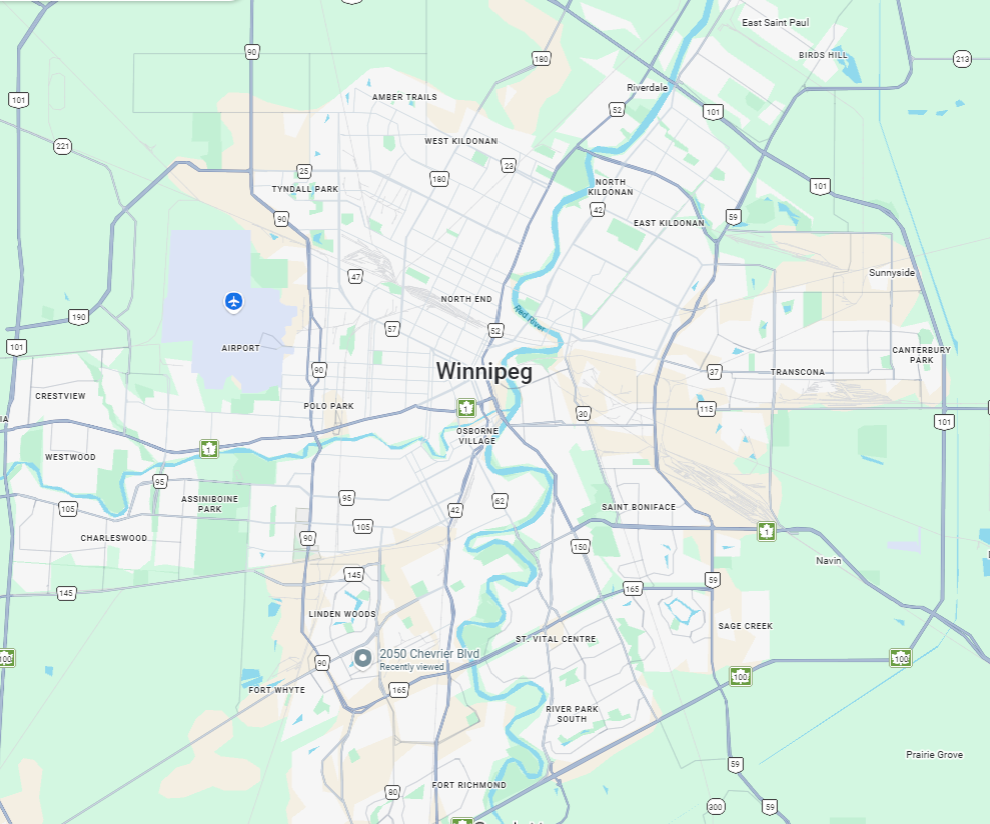
Radon occurs naturally in soil across Manitoba, and elevated levels can be found in homes throughout Winnipeg. We provide radon testing and mitigation services throughout the city.
Common areas we serve include:
River Heights
Riverview
St. Boniface
St. Vital
Fort Garry
Charleswood
Transcona
North Kildonan
Fort Richmond
Linden Woods
St. James
If your community isn’t listed above, feel free to reach out. We install radon mitigation systems throughout the city.
Get a Radon Mitigation Quote in Winnipeg
If you already have radon test results above the Health Canada guideline, we can help determine the best mitigation approach for your home. Most installations can be completed in one day, depending on the home layout.
Call 204-807-1340
FAQs
How quickly does radon mitigation reduce radon levels?
1
Radon levels often begin to drop soon after a mitigation system is turned on. In many homes, levels decrease significantly within the first 24 hours as the fan starts pulling radon gas from beneath the foundation and venting it safely outside.
Because radon levels can change with seasons and home airflow, some homeowners choose to monitor levels over time using a radon detector or periodic testing.
Where is the mitigation pipe installed?
2
A small pipe is installed through the basement floor or sump pit to draw radon gas from beneath the foundation.
The pipe is then routed up and vents safely through an outside wall. A quiet fan attached to the system pulls radon gas from the soil and releases it outside where it disperses.
Can radon mitigation be installed in any home?
3
Yes. Radon mitigation systems can be installed in almost any home, including older houses, new builds, and homes with finished basements.
Because every home is different, the exact system design depends on factors such as:
foundation type
basement layout
sump pits or floor drains
existing radon levels
How effective are radon mitigation systems?
4
When properly installed, radon mitigation systems are very effective at reducing radon levels in homes. In many cases, levels drop well below the Health Canada guideline of 200 Bq/m³. Radon86 aims to get as close to 0 as possible and always lower than 100 Bq/m³.
After installation, a follow-up radon test is recommended to confirm that levels have been reduced. Many homeowners also choose to monitor levels periodically to ensure the system continues to perform effectively.
How long does radon mitigation installation take?
6
Most installations in Winnipeg homes are completed in a single day. A standard sub-slab depressurization system typically takes three to five hours from start to finish, depending on the home's layout, foundation type, and how much pipe routing is needed. You don't need to leave your home during the installation. We'll walk you through the system before we leave and explain how to check that it's working.
Does radon come back after a mitigation system is installed?
5
Not if the system is maintained and working properly. Active sub-slab depressurization works continuously, as long as the fan is running, radon is being drawn from beneath the foundation before it can enter your home. Levels can rise again if the fan stops working or if significant structural changes are made to the home. That's why we recommend retesting every two years and after any major renovations. If your levels ever rise again, the fix is usually straightforward, often just a fan replacement, which is much less expensive than a new installation.
Will a radon mitigation system affect my home's resale value?
7
In most cases, positively. A functioning radon mitigation system tells future buyers that the issue has already been identified and professionally addressed. Many buyers, especially those who've done their research, see it as a selling point rather than a red flag. A system that comes with documentation and a clear follow-up test result is far more reassuring than a home where radon has never been tested at all.
Why Radon Is a Concern in Winnipeg Homes
Manitoba has historically had higher radon levels in homes than the national average. The Province of Manitoba estimates that about 19% of homes in the province exceed Health Canada’s guideline of 200 Bq/m³, compared with about 7% of homes across Canada.
Winnipeg’s climate can also contribute to how radon behaves indoors. For much of the year, homes are sealed to keep heat inside during winter or cool air inside during the summer. When houses remain closed for long periods, radon gas that enters from the soil can build up indoors.
Ready to Reduce Radon Levels in Your Home?
If your radon test results are above the Health Canada guideline of 200 Bq/m³, a mitigation system will lower levels quickly, most times within a day of installation.
We install radon mitigation systems across Winnipeg and surrounding communities, with most systems starting at $1,800 and completed in a single day.
or call 204-807-1340