
Radon Featured on CBC. What Winnipeg Homeowners Should Know
Radon was recently featured in a national news segment on CBC’s The National, bringing renewed attention to a health risk that many Canadians still know very little about.
Radon is a radioactive gas that forms naturally in the soil as uranium breaks down. It can enter homes through cracks in the foundation, sump pits, floor drains, and other small openings where the house meets the ground.
You cannot see it, smell it, or taste it. The only way to know the level in your home is to test.
Health Canada identifies radon as the leading cause of lung cancer in non smokers, and the second leading cause overall after smoking.
The recent CBC coverage also highlighted growing discussion about Canada’s radon guidelines and how they compare with international recommendations.
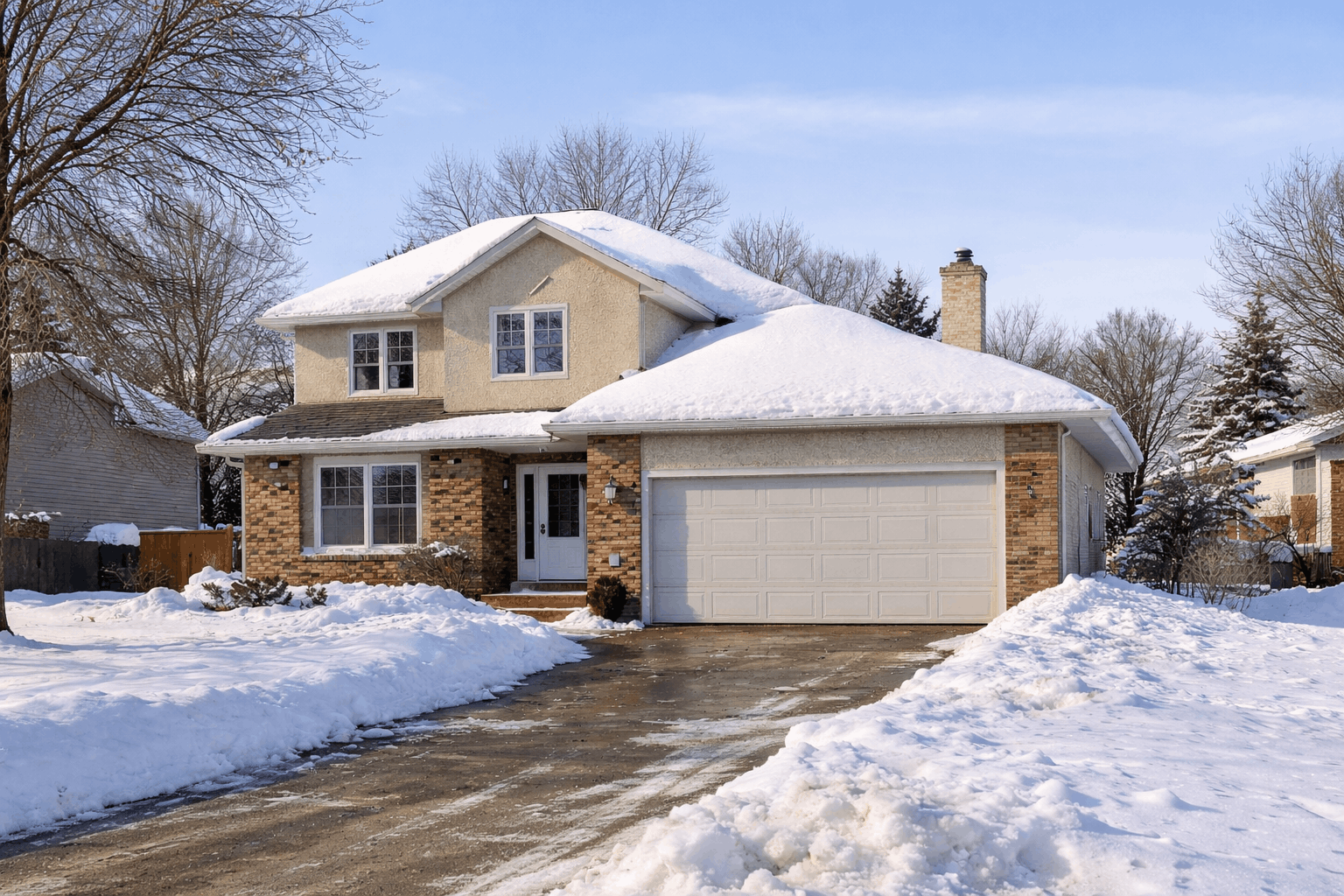
Winnipeg home, 1 in 4 in Manitoba are at risk of high radon levels.
Why Radon Can Be a Concern in Winnipeg Homes
Radon levels can vary widely from one home to another, even between houses on the same street.
Manitoba has many areas where soil conditions allow radon gas to move through the ground and into buildings. Homes with basements are particularly susceptible because they sit directly on the soil where radon forms.
Radon can enter homes through:
cracks in concrete floors or foundation walls
sump pits
floor drains
gaps around pipes or utility lines
unfinished crawlspaces
Even newer homes can have elevated radon levels. Modern construction tends to make homes more airtight, which can allow radon gas to accumulate indoors.
Because radon levels are unpredictable, testing is the only way to know if a home has a problem.
What Radon Levels Are Considered Safe in Canada
Canada’s national guideline recommends taking action when radon levels reach 200 becquerels per cubic metre (Bq/m³).
A recent CBC News report on Canada’s radon guidelines discussed how this compares to the World Health Organization’s recommended reference level of 100 Bq/m³, which has sparked discussion among researchers and health advocates about whether Canada’s guidelines should change in the future.
The same report noted that close to half of detached homes in Canada may have radon levels above the World Health Organization guideline.
Health Canada states that there is no completely safe level of radon exposure, and encourages Canadians to reduce radon levels as much as reasonably possible.
Because radon levels can vary widely from one home to another, testing is the only way to know whether a home has elevated levels.
How Radon Testing Works
Radon testing is very straightforward.
The most reliable method is a long-term test that runs for at least 90 days, typically during the fall or winter months when windows are mostly closed.
Short-term testing can also be used as an initial screening to determine whether a long-term test is recommended.
At Radon86, we offer a free 15-minute radon test and consultation for homeowners in Winnipeg. During the visit, we check radon levels, explain how radon enters homes, and answer questions about testing and mitigation options.
If levels appear elevated, we can recommend the next steps for confirming results with a long-term test.
What Happens if Radon Levels Are High
If a home tests above Health Canada’s guideline, the most common solution is a radon mitigation system.
These systems work by safely venting radon gas from beneath the home to the outside before it can enter the living space. When properly installed, they can reduce radon levels by 80 to 99 percent.
Most mitigation systems can be installed in a single day and require very little maintenance.
Should You Test Your Home?
Health Canada recommends that homeowners test their homes at least once.
Because radon levels vary so much between homes, even houses in the same neighbourhood can have very different results.
Testing allows homeowners to make an informed decision about radon levels in their home and whether any action is needed.
With recent national news coverage bringing attention to radon again, many homeowners are asking whether they should test their homes.
Free Radon Test and Consultation in Winnipeg
If you are concerned about radon levels in your home, learn more about our radon testing and mitigation services in Winnipeg or give us a call at 204-807-1340 We offer a free 15-minute radon test to give you a general idea of your level.